What you can safely handle yourself
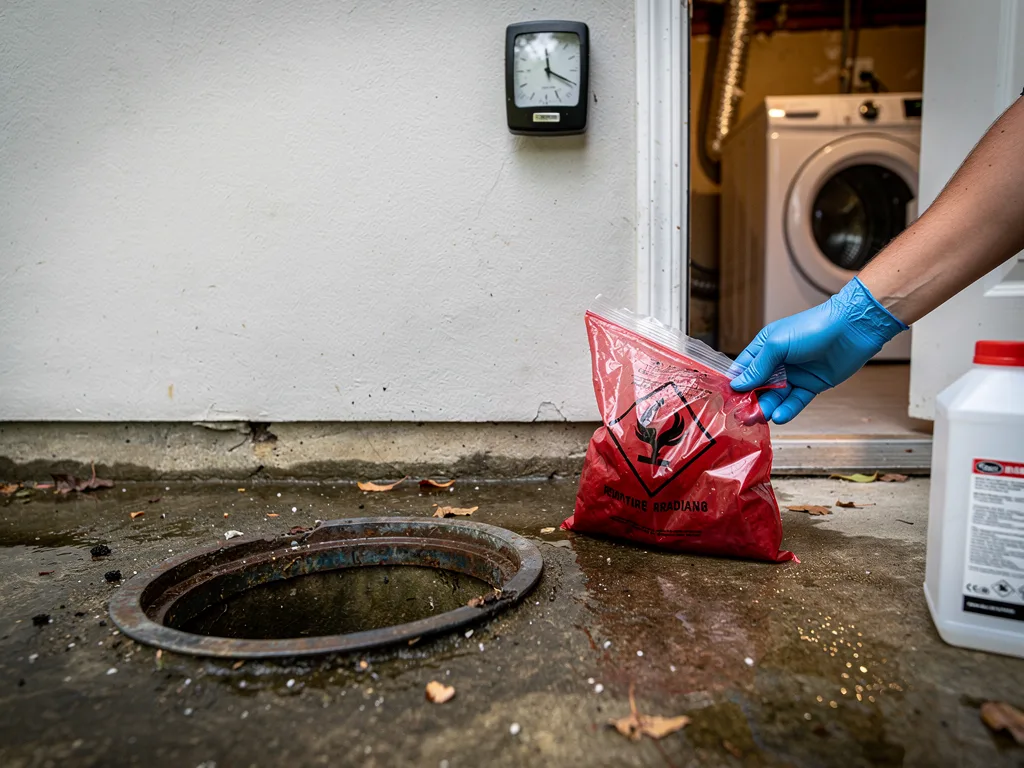
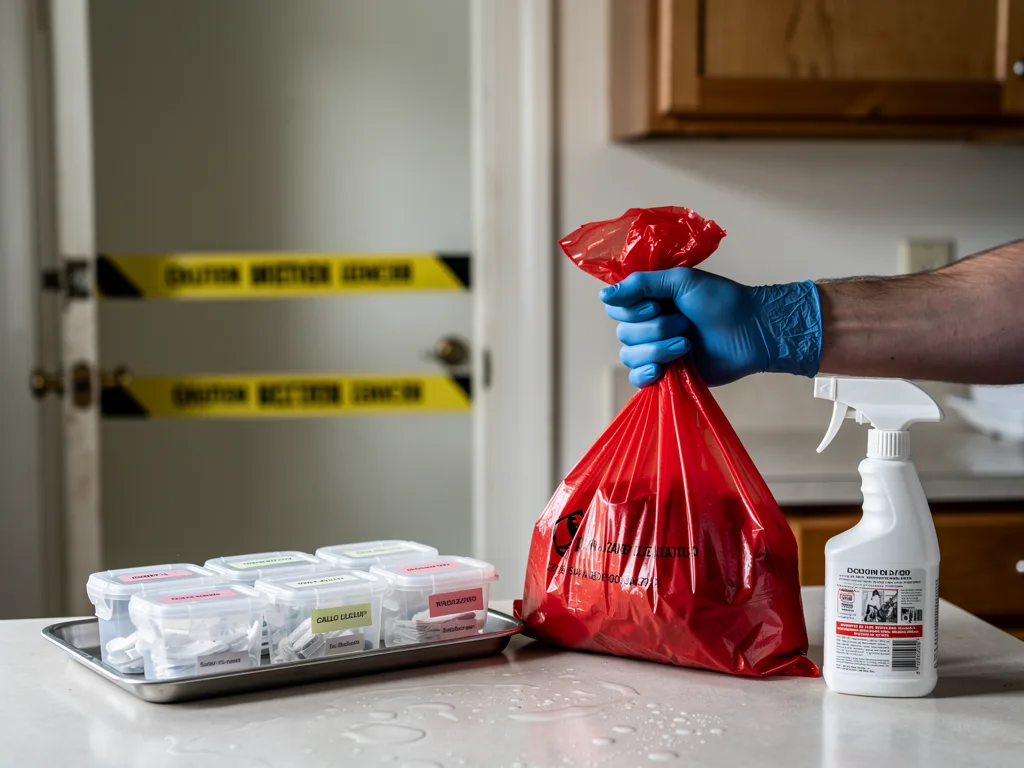
Some minor cleaning tasks fall within reasonable limits, especially when the issue is limited to routine sanitization after a small incident. If you’re dealing with a minor surface contamination after a clearly contained event, you can start with basic precautions: wearing gloves, a mask, and eye protection, and using standard household cleaners to remove visible debris. Keep in mind that visible cleanup does not guarantee removal of unseen contaminants.
Document the area with photos before you begin, and keep a log of what you cleaned and what you could not reach. If you’re unsure about the scope, it’s wise to pause and call a professional for an assessment. A quick consult from a biohazard remediation technician can prevent a cleanup that misses hidden hazards.
When to call a pro for biohazard cleanup
If you’re facing any of these scenarios, bring in a professional team: continuous or expanding contamination, strong odors that return after cleaning, or signs of biological, chemical, or particulate contamination that you cannot explain with everyday wear and tear. In Massachusetts, a statewide response means you can get help quickly, with a clear plan for containment and cleanup.
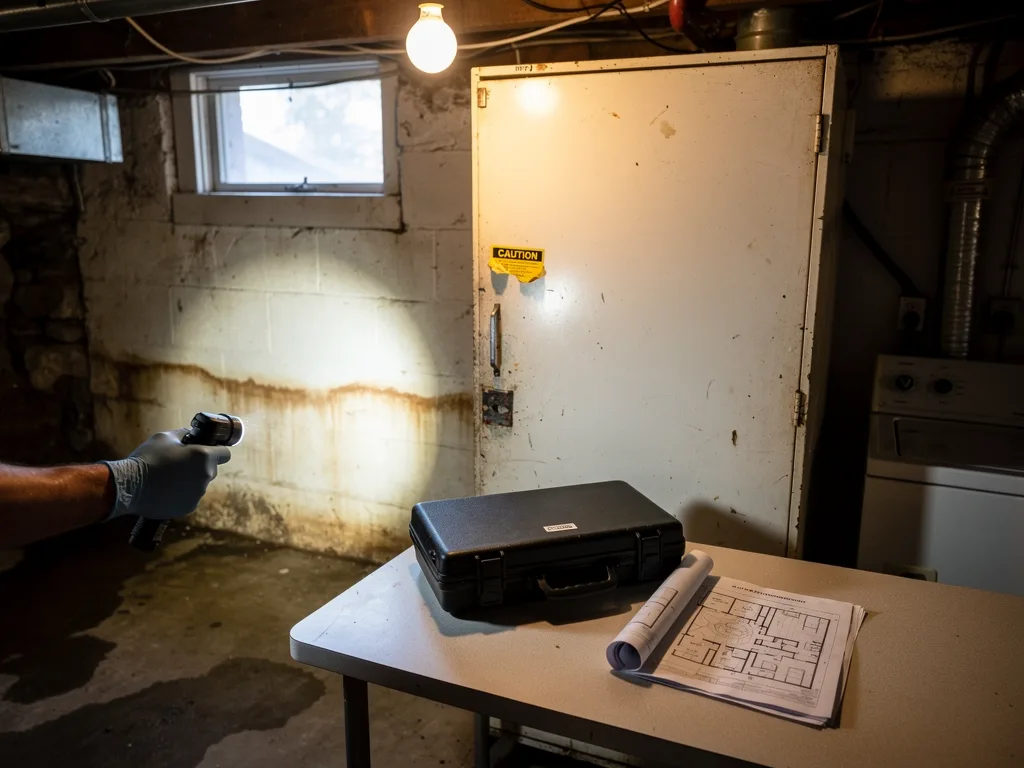
Professional involvement is essential when there’s potential for exposure or structural impact. Our biohazard remediation technicians assess air quality, identify the exact contaminants, and create a controlled cleanup plan. They use proper PPE, containment barriers, and industry-approved cleaning methods to prevent cross-contamination and ensure thorough remediation.
A practical plan you can follow
Start with a phone call to Massachusetts Biohazard Cleanup Services for a rapid assessment. If the issue is clearly contained and minor, we can guide you through safe initial steps. If not, we’ll schedule a full on-site evaluation across Massachusetts. Our team explains the scope, timelines, and any temporary accommodations needed while work proceeds.